Finley Flores · 3 September 2026
The Role of Curated Resource Libraries in Enhancing Visibility for Solo-Operated Websites
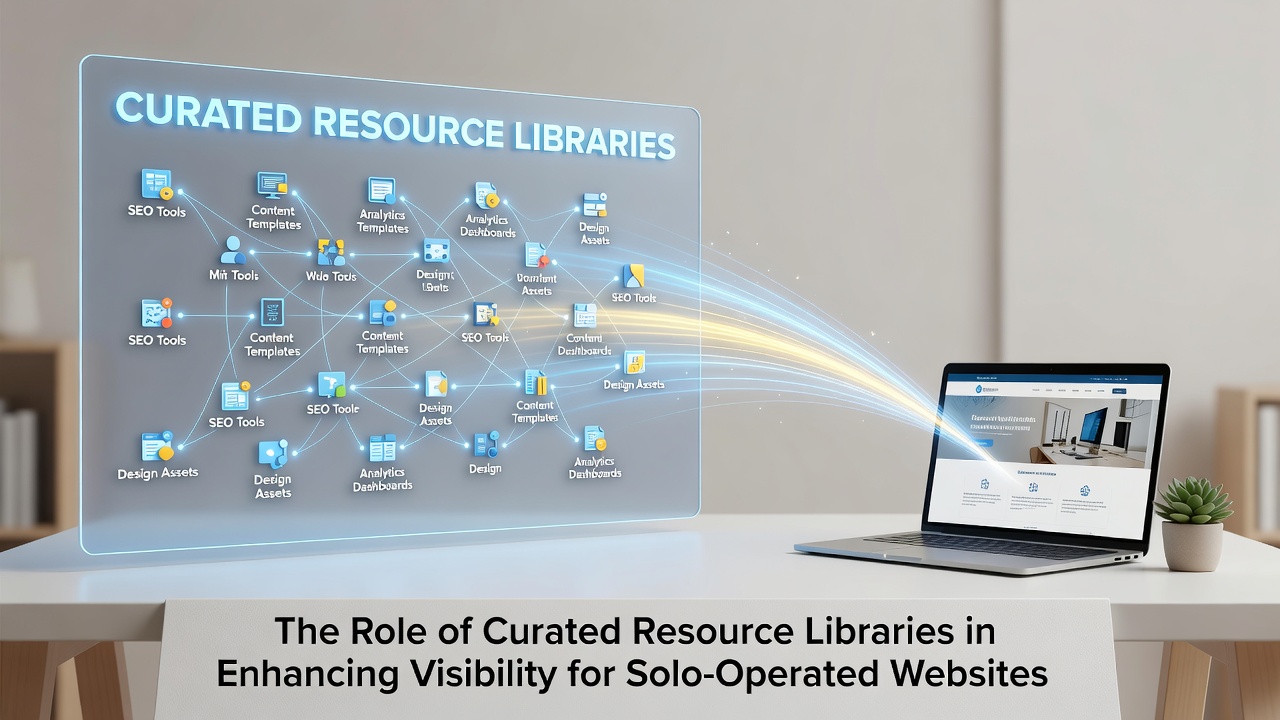
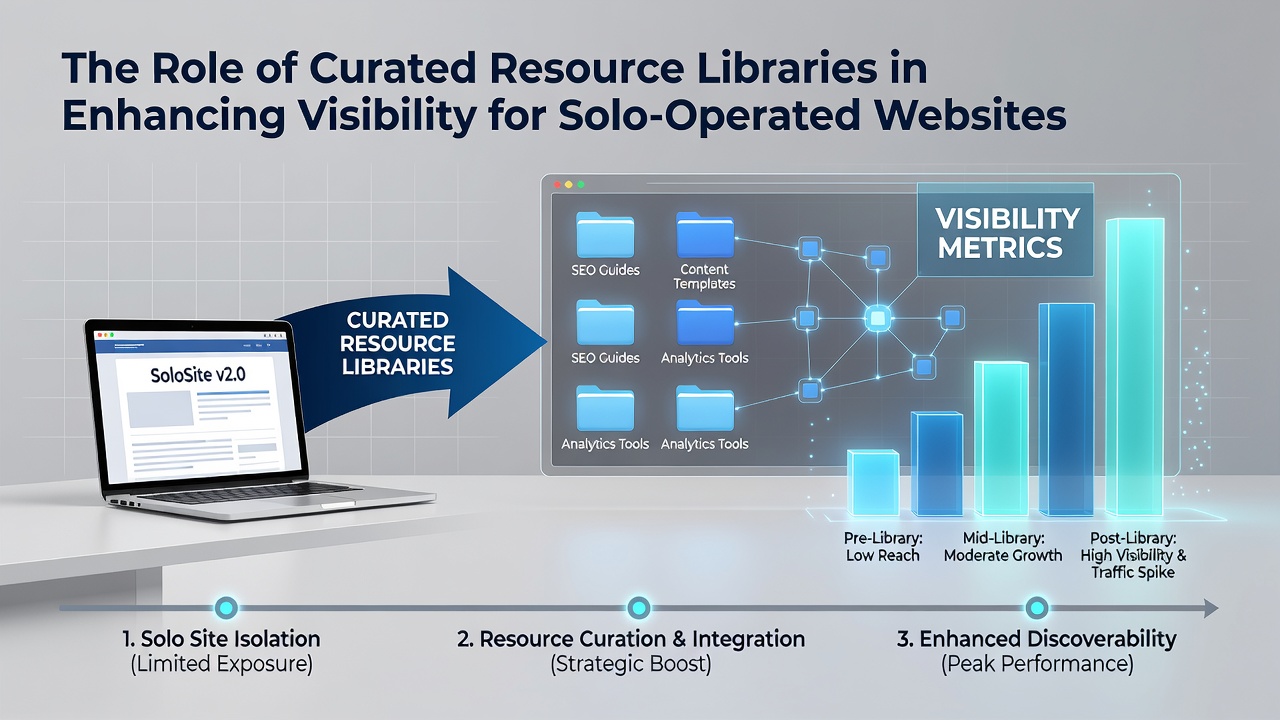
Curated resource libraries function as organized collections of external links, tools, guides, and references that solo website operators assemble to support their audiences while building site authority over time. These collections often appear as dedicated pages or sections that aggregate high-quality materials from across the web, and operators maintain them through regular updates that keep content relevant and accurate. Data from the OECD shows that small-scale digital projects benefit when such libraries attract inbound links and improve search engine indexing patterns because search algorithms reward pages that demonstrate consistent value through structured external references.
Operators typically select resources based on relevance to their core topics, then categorize entries with clear headings and brief descriptions that help visitors navigate quickly. This approach differs from simple link lists because curation involves evaluation of source quality, timeliness, and utility, which in turn signals expertise to both human readers and automated crawlers. Research indicates that sites incorporating these libraries experience measurable gains in referral traffic when external domains link back to the curated page as a trusted hub.
Mechanisms Driving Visibility Gains
Search engines evaluate pages partly through the density and quality of contextual links, so a well-maintained library supplies natural anchor text opportunities that strengthen topical relevance. Solo operators report that these pages accumulate backlinks faster than standard blog posts because other site owners reference the collection when compiling their own materials. Figures from Statistics Canada reveal that independent Canadian businesses with structured resource sections saw increased organic search impressions between 2024 and 2026 as crawlers indexed the added external connections.
Visibility also improves through direct user engagement, since visitors who find comprehensive resources tend to spend more time on the site and return for updates. This dwell time contributes to behavioral signals that algorithms incorporate into ranking decisions. Observers note that libraries positioned as neutral aggregators rather than promotional tools earn higher trust scores, which further supports sustained traffic growth.
Implementation Patterns Among Independent Sites
Many solo operators integrate libraries into existing site structures by creating static pages that receive periodic additions, while others embed dynamic elements that pull from RSS feeds or manual submissions. The process requires ongoing review to remove outdated entries and verify that linked domains remain active, a task that consumes modest but consistent effort. One study revealed that sites updating their libraries at least quarterly maintained higher average positions in related search results compared with those that allowed pages to stagnate.
Examples include niche hobby sites that compile toolkits for beginners, personal finance pages that gather regulatory documents and calculators, and educational blogs that organize open-access research papers. Each case demonstrates how the library becomes a destination rather than a supplementary feature, drawing links from forums, newsletters, and academic directories that value centralized references.
Interaction With Broader Digital Trends Through 2026
As of September 2026, platform changes in major search engines have placed greater emphasis on content depth and external validation, conditions that favor curated libraries. Operators who treat these collections as living documents rather than one-time projects align with evolving indexing priorities that reward sustained maintenance. Industry reports from the European Commission on digital single market initiatives highlight how small online entities using structured resource pages achieve broader reach within regional search results when their libraries address localized needs.
Cross-promotion through social channels and newsletters amplifies the effect because shares often direct audiences to the library as an entry point. This creates a feedback loop where increased visits generate additional external mentions, which in turn reinforce the page's authority. Those who have studied independent web projects observe that libraries focused on verifiable, non-commercial sources tend to avoid algorithmic penalties associated with manipulative linking practices.
Measurement and Long-Term Effects
Tracking tools allow operators to monitor referral sources, keyword rankings, and engagement metrics tied specifically to library pages. Over multiple years, these data sets show cumulative benefits as the collection grows and attracts citations from directories and partner sites. Academic analyses of digital visibility confirm that consistent curation correlates with improved domain-level metrics, although results vary according to topic competition and update frequency.
External directories and academic repositories sometimes incorporate links from these libraries into their own indexes, extending reach beyond immediate search traffic. This secondary distribution expands the potential audience while reinforcing the original site's role as an information aggregator.
Conclusion
Curated resource libraries serve as strategic assets for solo-operated websites by supplying structured value that search systems and users both recognize. Through deliberate selection, ongoing maintenance, and integration with broader content strategies, these collections contribute to measurable improvements in indexing, referral patterns, and audience retention. Evidence from multiple regions continues to document their utility as independent operators adapt to shifting visibility requirements in the digital landscape.