
Zoe Hansen · 1 October 2026
Adapting Standalone Digital Projects to Leverage Decentralized Community Forums for Sustained Reach in Restrictive Data Landscapes
Standalone digital projects encounter mounting obstacles when data protection rules tighten access to traditional search and social channels, yet many operators now explore decentralized community forums as alternative distribution paths that maintain audience connections without relying on centralized data brokers. These forums operate on distributed protocols where user data remains under individual control rather than aggregated by single entities, and this structure aligns with regulations that limit cross-border data transfers or require explicit consent mechanisms.
Mapping Current Data Restrictions
Regulations in multiple regions impose consent requirements and data minimization standards that affect how standalone sites appear in search results or recommendation engines, and figures from the Office of the Australian Information Commissioner show enforcement actions rising steadily through 2025 into 2026. Projects that once depended on algorithmic amplification now report reduced organic reach because platforms adjust their indexing practices to comply with new portability and deletion mandates. In October 2026 several jurisdictions plan synchronized updates to data localization rules, which observers note will further segment audience discovery for independent sites operating without corporate backing.
Core Features of Decentralized Forums
Decentralized forums built on protocols such as ActivityPub or Matrix allow posts and discussions to propagate across independent servers while each instance retains its own moderation policies and data storage choices. Participants join through federated accounts that do not require submission of personal identifiers to a central authority, and this setup reduces the risk of mass data harvesting that triggers regulatory scrutiny. Research from Canadian university studies on distributed networks indicates that content shared in these environments maintains visibility longer because distribution does not hinge on proprietary ranking systems subject to frequent policy shifts.
Integration Methods for Existing Projects
Operators adapt by embedding forum widgets or RSS bridges that pull discussions back to their primary domains, creating bidirectional traffic flows that comply with data portability expectations. One approach involves mirroring key announcements across multiple federated instances while linking back to original resources hosted on the standalone site, and this tactic keeps engagement metrics visible without transferring full user datasets. Another method uses API endpoints that let forum participants authenticate via decentralized identifiers, thereby satisfying consent logging requirements under frameworks enforced by bodies such as the European Data Protection Board.
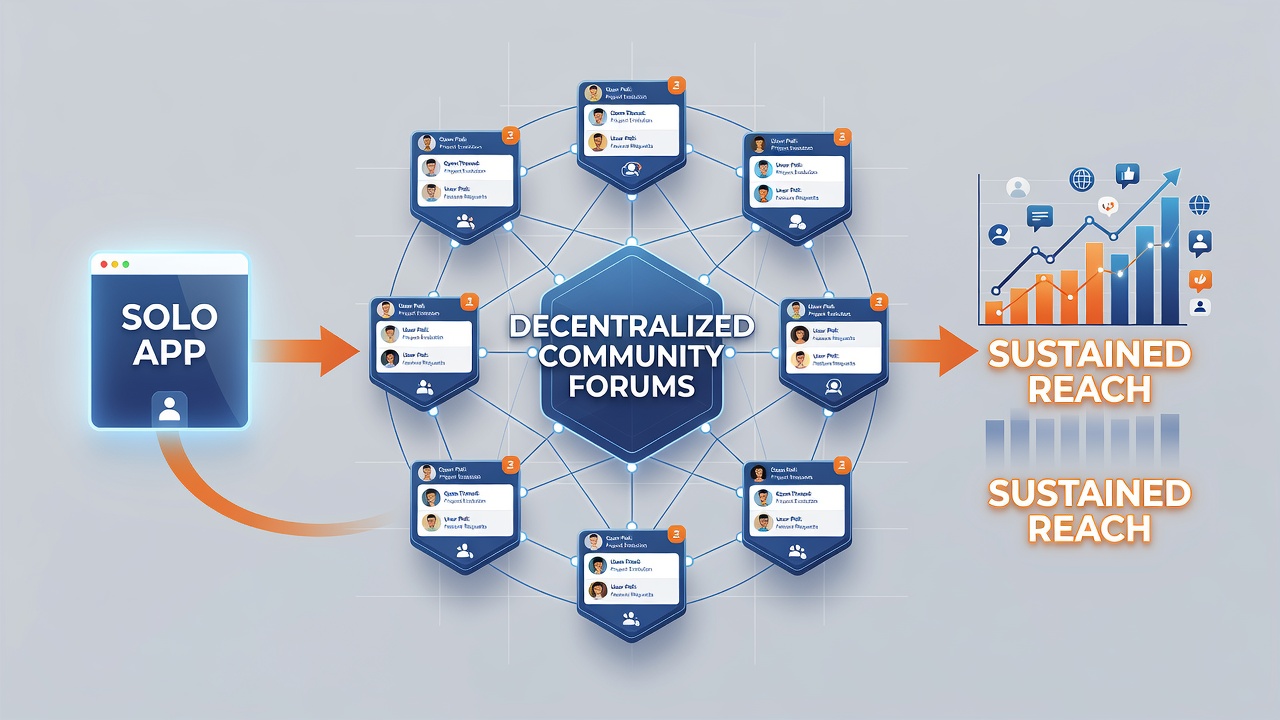
Teams that tested these bridges in pilot programs during 2025 documented sustained referral traffic even after major search engines adjusted their crawl priorities in response to updated privacy directives. The process requires mapping existing content categories to forum topics so that discussions remain contextually relevant rather than scattered, and this alignment helps maintain topical authority signals that search algorithms still reward when they encounter external links from distributed sources.
Case Examples from Independent Operators
One educational resource site shifted its comment sections to a self-hosted Lemmy instance connected to the broader fediverse, resulting in continued user interaction after third-party cookies faced blocking under emerging standards. Data collected through that migration revealed that referral sessions from federated posts lasted longer on average than those from centralized social platforms, because participants arrived already interested in the specific topic threads. Another documentation project for open-source tools established cross-posts on multiple Matrix rooms and tracked how updates propagated without triggering data transfer notifications required by certain regulatory regimes.
Technical Considerations and Monitoring
Implementation demands attention to server federation settings so that content does not inadvertently replicate across jurisdictions with conflicting retention rules, and monitoring tools now include plugins that log data flows for audit purposes. Metrics tracked include thread engagement rates, external link click-through percentages, and server-to-server delivery success, all of which provide evidence of reach independent from centralized analytics platforms. Those who maintain these systems report that uptime consistency improves when instances operate on geographically dispersed infrastructure, reducing single-point failures that could interrupt audience access during regulatory transitions.
Conclusion
Standalone digital projects continue to test connections with decentralized community forums as a practical response to data protection constraints that limit traditional discovery channels. The strategies outlined rely on federated protocols, careful content mapping, and ongoing measurement of referral patterns, while external sources such as reports from the Office of the Privacy Commissioner of Canada supply benchmarks for compliance. As synchronized regulatory updates approach in October 2026, operators who establish these linkages position their resources for continued visibility across distributed networks that prioritize user-controlled data handling.